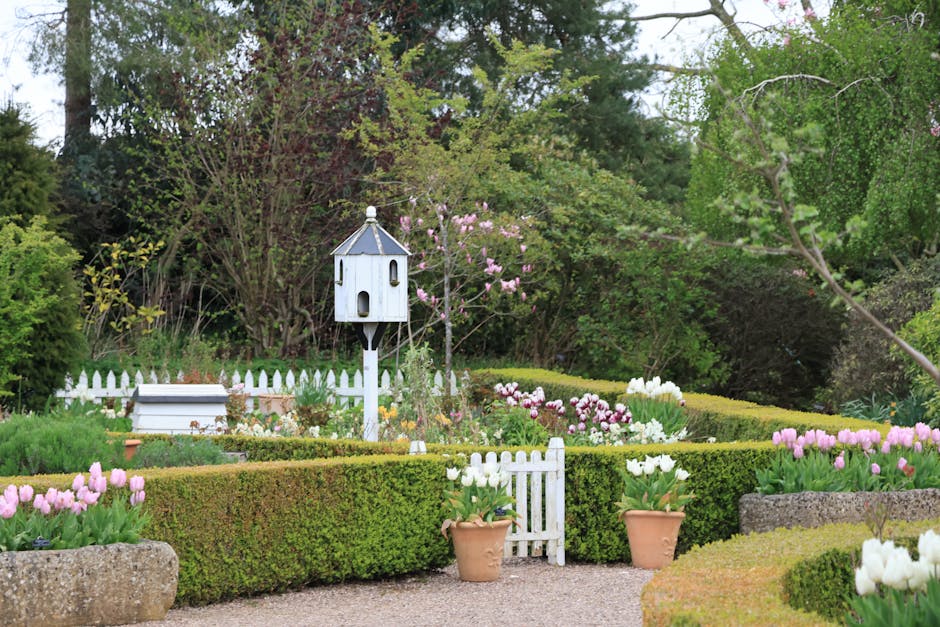
Top gardening tips for Syon Lane gardens in Osterley

If you garden near Syon Lane in Osterley, you already know the mix of challenges is a bit different from a textbook garden. Some plots get lovely light; others are tucked beside fences, mature trees, or shaded corners that stay damp longer than you'd like. Add in busy road dust, compacted soil, and the usual London stop-start weather, and suddenly the simplest jobs need a smarter approach.
This guide brings together the top gardening tips for Syon Lane gardens in Osterley in a way that is practical, local, and realistic. You'll find advice on planting, lawn care, hedge shaping, drainage, seasonal timing, and the kind of maintenance that keeps a garden looking cared for without turning your weekends into a never-ending to-do list. And yes, there are a few shortcuts that genuinely help.
Whether you look after a small front garden, a family back garden, or a shared outdoor space, the goal is the same: healthy growth, fewer problems, and a garden that feels manageable rather than demanding.
Why top gardening tips for Syon Lane gardens in Osterley matter
Gardens in and around Syon Lane tend to respond quickly to small mistakes. Overwater a border and the soil can stay heavy for days. Leave a hedge unchecked and it suddenly starts swallowing light. Skip mowing for too long and the lawn loses that neat, even finish that makes a garden feel tidy even on a grey afternoon.
That is why local gardening advice matters more than generic advice. Osterley gardens often deal with a blend of clay-heavy ground, wind exposure in open spots, shade from mature planting, and the everyday wear that comes with family use. In other words, the right garden routine here is not about doing more. It is about doing the right things at the right time.
There is also the simple reality of urban gardening. Space is precious. Storage is limited. You do not want to drag out six tools if one sharp pair of secateurs and a decent mower will do the job. The best tips save time, reduce waste, and keep the garden looking intentional rather than patched together.
Expert summary: In Syon Lane gardens, the biggest wins usually come from consistency, not intensity. A little regular care beats a heroic weekend tidy-up that happens once every three months.
If you want broader help with ongoing upkeep, it can be worth looking at garden maintenance support as part of a longer-term plan, especially if your garden is getting harder to keep on top of through the seasons.
How top gardening tips for Syon Lane gardens in Osterley works
The basic approach is straightforward: work with the garden's conditions, not against them. That means observing where the sun falls, how quickly water drains, where moss appears, and which plants are thriving without much effort. A garden that receives the right kind of care usually starts to tell you what it needs. You just have to listen a bit.
In practical terms, the process tends to follow four repeating steps:
- Assess the space. Look at soil type, shade, access, and how the garden is actually used.
- Prioritise high-impact tasks. Mowing, hedge trimming, weeding, and pruning often make the biggest visible difference.
- Match plants to conditions. Pick plants that suit shade, sun, and drainage instead of forcing delicate varieties into awkward spots.
- Keep a steady rhythm. Light, regular care is easier than letting everything get out of hand.
This is also where seasonal timing comes in. Spring is for reset and recovery. Summer is for watering, mowing, and keeping growth balanced. Autumn is the clean-up season. Winter is the quiet planning phase, though to be fair, a few jobs never really stop. Hedges still grow. Weeds are cheeky like that.
For many homeowners, this rhythm becomes much easier when they combine DIY work with occasional specialist help. A well-planned visit from a local team can handle larger tasks such as hedge work, tree reduction, or overgrown borders, while you keep up with lighter maintenance between visits. If that sounds familiar, the services overview is a useful place to understand what can be handled as part of a broader garden care plan.
Key benefits and practical advantages
Good gardening is not just about appearance, although let's face it, a neat garden does feel better the moment you step outside. The deeper benefits are practical.
- Less long-term work. A managed garden is easier to maintain than a neglected one.
- Healthier planting. Proper pruning, feeding, and spacing reduce disease pressure and competition.
- Better use of space. Clear paths, defined beds, and trimmed boundaries make even small gardens feel larger.
- Safer movement. Fewer trip hazards, less slippery buildup, and cleaner edges around steps or decking.
- Improved resilience. Plants that suit the site are more likely to cope with dry spells, shade, or cold snaps.
- More enjoyable outdoor time. You actually want to sit out there, which is kind of the point.
There is a quieter benefit too: confidence. Once you know the garden has a system, the whole thing feels less overwhelming. Instead of staring at a jungle of tasks, you can focus on one or two sensible priorities each week.
For many households, that confidence translates into better decisions about professional support. For example, if the lawn is becoming patchy, hedge growth is blocking light, or older planting has become too dense, targeted services such as lawn mowing or hedge trimming can restore structure quickly without starting from scratch.
Who this is for and when it makes sense
This advice is useful for a wide range of people, and not just keen gardeners with every tool under the sun. In fact, the people who benefit most are often the ones who are busy.
- Homeowners who want a neat front or rear garden without weekend chaos.
- Landlords and property managers who need outdoor areas kept presentable between tenancies.
- Families trying to balance play space, planting, and practical maintenance.
- Older residents who prefer straightforward upkeep and safer, lighter tasks.
- New movers who have inherited an overgrown or poorly planned garden.
- Anyone with limited outdoor storage and only a few reliable tools.
It also makes sense if your garden has begun to feel slightly out of sync with how you use it. Perhaps the seating area is hemmed in by shrubs, or the lawn is thin because it never gets quite enough light. Maybe the borders are tidy enough from a distance but messy close up. Those are the moments when proper local gardening tips are most useful.
If the space has become genuinely difficult to manage, there is no shame in bringing in help for a reset. A one-off clear-out can make the next few months much easier, especially where old clippings, weeds, and broken debris have been building up. In that situation, garden clearance can be the practical starting point before you settle into a simpler routine.
Step-by-step guidance
If you want the best results in Syon Lane gardens, follow a simple sequence rather than tackling everything at random. That is usually where people go wrong. They trim a hedge, then decide the lawn needs attention, then notice the border, then half an hour later they are carrying three bags of green waste and wondering how it escalated so fast.
1. Start with a garden walk-through
Look at the garden in daylight and note where problems repeat: shade, soggy spots, dry patches, poor airflow, or areas where weeds keep returning. You are not looking for perfection. Just patterns.
2. Cut back what is blocking light or access
Trim hedges, remove dead growth, and reduce overcrowded shrubs if they are stealing space from the rest of the garden. Light changes everything. A border that seemed tired can perk up once it is no longer boxed in.
3. Sort the lawn before it becomes a problem
Mow regularly, but avoid scalping the grass too short. A slightly higher cut usually performs better in patchy shade and during dry spells. If the lawn is uneven, fix the edges first and then work inward. That small discipline makes the whole space look calmer.
4. Weed, edge, and define the borders
Clean edges make a big difference. Even a modest garden feels more finished when borders are crisp and pathways are free of spillover. It is one of those jobs people notice instantly, even if they cannot say why.
5. Feed and mulch where needed
Use compost or well-rotted organic matter to improve soil structure. In heavier soils, this can help with drainage and root health over time. Mulch also helps hold moisture and suppress weeds. A layer like that quietly does a lot of heavy lifting.
6. Replant with the site in mind
Choose plants that suit your actual conditions. Shade-tolerant options belong in gloomy corners. Drought-tolerant plants suit sunny, dry strips near walls or paving. Don't force the wrong plant into the wrong place. It rarely ends well, and the plant knows it too.
7. Set a simple maintenance rhythm
Weekly light checks are better than dramatic catch-up sessions. A few minutes for watering, deadheading, or tidying is often enough to stop bigger issues from taking hold.
If you want a more structured approach, combining your own routine with professional support can be very effective. The key is to keep the garden moving, not to chase a "finished" state that never lasts.
Expert tips for better results
Here are the little things that tend to separate an okay garden from one that feels genuinely well cared for.
- Watch the garden after rain. It tells you where water lingers and which spots may need better soil structure or drainage.
- Prune with a purpose. Don't just shorten everything. Aim to improve shape, airflow, and light.
- Use the right mowing pattern. Change direction occasionally to reduce rutting and encourage more even growth.
- Keep tools sharp and clean. Blunt blades tear rather than cut, and that can stress plants. No drama, just avoidable damage.
- Leave some habitat where appropriate. Not every corner needs to be stripped bare. A balanced garden can support wildlife without looking messy.
- Be realistic about your time. A garden that fits your lifestyle will always outperform one that relies on heroic effort every few months.
One very practical tip: keep a small notes list on your phone. If you notice moss on the north side of the lawn or a shrub that always flops after rain, write it down. You will forget otherwise, usually the moment you walk back indoors for tea.
Where larger tasks are involved, such as overgrown trees or heavy reshaping, it is often safer and neater to use professional help. That is especially true if branches are near structures, pathways, or neighbouring boundaries. In those cases, tree lopping and removal should always be approached with caution and a clear plan.
Common mistakes to avoid
Most garden problems are not caused by one huge error. They build slowly from a few small habits that seem harmless at the time.
- Cutting the lawn too short. This weakens the grass and can leave it vulnerable in sun or drought.
- Overpruning at the wrong time. Some plants resent a hard cut when they are actively growing or setting buds.
- Ignoring soil condition. If the roots are struggling, top growth will keep disappointing you.
- Planting without checking mature size. A tiny shrub can become a very large problem. Funny how that happens.
- Letting weeds seed. It is much easier to remove them early than after they have spread through a border.
- Using the same routine all year. Gardens change with the seasons, and the care should change too.
- Trying to fix everything in one go. That is usually the road to burnout. Pick the highest-value jobs first.
A quieter mistake is not asking for help soon enough. People often wait until the garden is far beyond the point where a tidy-up feels simple. If that is you, fair enough. It happens. The important thing is to reset the pattern now rather than six months from now.
Tools, resources and recommendations
You do not need a huge kit to keep a Syon Lane garden looking good. In most cases, a modest but well-chosen set of tools is enough.
| Task | Best basic tool | What to look for | Why it helps |
|---|---|---|---|
| Lawn care | Rotary mower or cylinder mower | Clean cut, adjustable height | Keeps the lawn even and reduces stress on grass |
| Hedges | Manual or powered hedge trimmer | Sharp blades, comfortable grip | Creates neat lines and improves light |
| Pruning | Secateurs and loppers | Comfortable handles, clean cut | Useful for everyday shaping and deadwood removal |
| Borders | Hand fork and trowel | Strong build, good balance | Makes weeding and planting much easier |
| Waste handling | Green waste bags or bins | Sturdy and easy to carry | Keeps the job tidy and reduces mess |
For many homeowners, the right recommendation is not more tools but better organisation. Keep a basic kit in one place, label seasonal fertiliser if you use it, and store everything dry. Damp sheds and blunt blades are a very British problem, really.
When a garden needs more than routine maintenance, it can help to look at broader landscape improvements. Landscape gardening and landscaping are worth considering if you want to change the layout, improve flow, or solve recurring issues like awkward corners and poor drainage.
If you are also weighing up cost, timing, or scope, the pricing and quotes information can help you understand how to plan the job sensibly before anything starts.
Law, compliance, standards, or best practice
For most domestic gardening, the main concern is not complex regulation. It is sensible working practice. Still, there are a few points worth keeping in mind, especially if you are dealing with trees, waste, shared boundaries, or work that could affect neighbours.
Best practice matters most when safety is involved. Use suitable PPE when pruning, handling waste, or working with powered tools. Keep children and pets away from active work areas. Check ladders, cords, and equipment before use. And if a job feels awkward or unstable, stop and reassess. That is not being cautious for the sake of it; it is just good judgement.
If you are disposing of garden waste, make sure it is handled responsibly. Composting where possible is ideal, and larger volumes should be dealt with in a way that does not create nuisance or fly-tipping risk. A tidy site is often a safer site.
For more complex work, particularly near walls, fences, or public-facing areas, it is wise to confirm that the contractor has suitable insurance and works with clear safety procedures. You can review the company's approach via insurance and safety and the related health and safety policy. If you care about waste handling and greener practices, recycling and sustainability is also worth a look.
One more practical note: if you are getting quotes, make sure the scope is clear. Are hedge clippings included? Is waste removal extra? Will the work be one-off or ongoing? Clear expectations prevent awkward surprises later, which is always a relief.
Options, methods, or comparison table
Different gardens need different levels of care. Sometimes a simple DIY routine is enough. Sometimes you need a combination of regular upkeep and targeted professional work. Here is a practical comparison.
| Approach | Best for | Strengths | Limitations |
|---|---|---|---|
| DIY only | Small, manageable gardens | Low cost, flexible, personal control | Time-consuming, easy to fall behind |
| DIY plus occasional help | Busy households, mixed-condition gardens | Balanced cost and convenience, keeps standards up | Needs a clear routine |
| Regular professional maintenance | Large, complex, or high-visibility gardens | Consistent results, less stress, better seasonal timing | Higher ongoing cost |
| One-off restoration then DIY | Overgrown or newly inherited gardens | Fast reset, simpler future upkeep | Initial job may be more intensive |
In many Syon Lane gardens, the second option is the sweet spot. A good reset, a clear plan, and a manageable routine afterward. Simple, really. Not always easy, but simple.
Case study or real-world example
A typical local example would be a mid-sized rear garden with a lawn, a narrow side path, a couple of raised beds, and a mixed hedge along the boundary. At first glance it looks "fine", but after a closer look the issues stack up: the hedge blocks light, the lawn is thin near the fence line, weeds are spreading from the edging, and an old shrub has started leaning into the path.
The fix is rarely dramatic. First, the hedge is reduced to improve light and access. Then the lawn is cut properly and edges are cleaned. The beds are weeded and mulched, and the awkward shrub is either reshaped or removed, depending on how much it contributes to the overall look. Finally, the garden gets a simple monthly rhythm rather than a vague promise to "do a big tidy-up soon".
What changes most is not just appearance but feel. The path opens up. The lawn stops looking tired from the edge inwards. The whole garden starts to read as a space, not a list of problems. That shift matters more than people expect.
It also shows why targeted help can be smart. If the clean-up is too much for a single weekend, bringing in a team for the heavier tasks can set the garden back on track quickly, then lighter maintenance keeps it there. That is usually the better long game.
Practical checklist
Use this checklist to keep your Syon Lane garden in good shape through the year.
- Check where the garden gets sun, shade, and standing water.
- Mow the lawn before it becomes too long, but avoid cutting it too short.
- Trim hedges before they start blocking light or pathways.
- Remove weeds before they flower and seed.
- Deadhead flowers to keep beds looking fresh.
- Mulch borders to hold moisture and suppress weeds.
- Inspect trees and larger shrubs for dead, damaged, or crossing growth.
- Clear leaves and debris from paths, corners, and drains.
- Keep tools clean, sharp, and dry.
- Set a weekly or fortnightly maintenance routine that you can actually stick to.
Quick takeaway: the best garden is not always the fanciest one. It is the one that stays balanced, healthy, and easy enough to manage without dread.
Conclusion
The top gardening tips for Syon Lane gardens in Osterley come down to one simple idea: work with the garden you have, not the one you imagine on a perfect sunny Saturday. Observe the site. Choose plants that fit. Cut, clear, and maintain a little at a time. That steady approach creates calmer, healthier, better-looking outdoor space with far less stress.
If your garden needs a fresh start, begin with the heavy lifting first and then build a routine that suits your time, not someone else's ideal version of gardening. That is where results really start to last.
Get a free quote today and see how much you can save.
And if you are still deciding how much help you want, that is fine too. Good gardens are built in layers, not overnight. One sensible step at a time, and the space starts to feel like yours again.
Frequently Asked Questions
What are the best gardening tips for Syon Lane gardens in Osterley?
The most useful tips are to keep a regular mowing schedule, trim hedges before they block light, improve soil with compost or mulch, and match plants to the garden's sun and shade conditions. Consistency matters more than big occasional efforts.
How often should I mow my lawn in Osterley?
It depends on the season and how quickly the grass grows, but a light, regular mow is usually better than leaving it for too long. In shady or damp areas, slightly higher cutting often works better than a very short finish.
Why do gardens near Syon Lane need special attention?
Local gardens can deal with shade, compacted soil, busy-road dust, and changing moisture levels. These conditions affect drainage, growth rates, and maintenance timing, so a one-size-fits-all routine can be hit and miss.
What should I do with an overgrown hedge?
Start by checking whether a light trim is enough or whether the hedge needs heavier reshaping. If it is large, awkward, or near a boundary, it may be safer and tidier to use a professional hedge trimming service.
How can I improve poor soil in a London garden?
Adding organic matter such as compost or well-rotted mulch is one of the simplest ways to improve structure over time. It helps heavy soil drain better and gives roots a healthier environment to work in.
Is garden clearance useful before starting maintenance?
Yes. If the garden is cluttered with weeds, cuttings, broken material, or old growth, a proper clearance makes future maintenance much easier. It gives you a clean starting point.
When is the best time to prune shrubs and trees?
That depends on the plant species and the result you want. Some shrubs are best pruned after flowering, while others can be shaped in dormant periods. If you are unsure, take a cautious approach and avoid hard pruning at random.
What tools do I actually need for a small garden?
For most small gardens, good secateurs, a hand fork, a trowel, a sturdy mower, and basic waste bags are enough to keep things under control. A clean, sharp tool set is more useful than a huge collection.
How do I know if I need professional help?
If the garden has become overgrown, if large trees need attention, or if the upkeep is taking too much time, professional help makes sense. It is especially useful when safety, access, or disposal become more complicated.
Can landscaping help with awkward or uneven gardens?
Yes. If the layout feels clumsy, drainage is poor, or the space does not match how you want to use it, landscaping can improve flow and function. It is often the best fix for recurring structural problems.
What is the safest way to handle garden waste?
Collect waste into suitable bags or bins, avoid overfilling heavy loads, and make sure it is disposed of responsibly. If you are dealing with a large amount, a planned removal process is usually far easier than repeated small trips.
How do I keep my garden looking tidy between visits?
Focus on the visible basics: mow, weed, edge, and remove dead material regularly. A short weekly routine does more for appearance than a long tidy-up every few months.
Where can I learn more about the company's approach and services?
You can review the company background on the about us page and explore the wider services overview to see which type of support fits your garden best.