Emergency garden clearance Osterley same day gardeners
If your garden has tipped from "a bit untidy" into "we need this sorted today," you are not alone. Storm debris, overgrown borders, dumped bags, broken branches, and garden waste piling up after a busy week can make an outdoor space feel stressful fast. Emergency garden clearance Osterley same day gardeners is the practical response when you need quick, careful, and organised help without waiting around for a convenient slot. In Osterley, where many gardens are compact, shared, or close to fences, driveways, and neighbouring properties, same-day clearance can make a real difference.
This guide explains what emergency garden clearance involves, how it works, who it suits, what to expect on the day, and how to avoid common headaches. If you are trying to decide whether to call for help now or tackle it later, this will give you a clear, grounded view. No fluff. Just the useful stuff.
Table of Contents
- Why Emergency garden clearance Osterley same day gardeners Matters
- How Emergency garden clearance Osterley same day gardeners Works
- Key Benefits and Practical Advantages
- Who This Is For and When It Makes Sense
- Step-by-Step Guidance
- Expert Tips for Better Results
- Common Mistakes to Avoid
- Tools, Resources and Recommendations
- Law, Compliance, Standards, or Best Practice
- Options, Methods, or Comparison Table
- Case Study or Real-World Example
- Practical Checklist
- Conclusion
- Frequently Asked Questions
Why Emergency garden clearance Osterley same day gardeners Matters
When a garden becomes cluttered quickly, the problem is rarely just visual. Fallen limbs can block access. Wet leaves can make paths slippery. Dense brambles can hide rubbish or broken objects. A garden that looked manageable last week can become awkward, unsafe, or even unusable after one weekend of bad weather or a burst of neglected growth.
That is where emergency clearance earns its keep. It is not about making a garden "perfect" in a magazine sense. It is about restoring function, safety, and breathing room. In real life, that may mean clearing a path to the rear gate, removing stormfall before it damages a fence, or simply getting rid of an eyesore that has become a source of constant pressure. To be fair, sometimes the biggest relief is just being able to open the back door without looking at a mess first thing in the morning.
For Osterley properties, same-day support can be especially useful where access is tight or the garden backs onto shared boundaries. A quick, organised clear-out prevents minor problems from turning into complaints, pest issues, or additional repair work. And if the task is too big for a weekend DIY attempt, there is no shame in calling it early. Let's face it, your Saturday is probably better spent doing something less chaotic than dragging damp hedge cuttings into a pile with one glove and a cup of tea going cold on the step.
If you want a broader view of routine upkeep after an urgent job, it can help to look at the wider garden maintenance options available, especially if the same issue keeps recurring.
How Emergency garden clearance Osterley same day gardeners Works
Same-day garden clearance usually follows a simple pattern. First, the situation is assessed. Then the team decides what can be removed safely, what needs cutting back, and what may need a separate service such as tree work or landscaping repairs. After that, the clearance is carried out with the aim of making the space safe, tidy, and accessible as quickly as possible.
The exact approach depends on what has happened. A garden full of cut branches needs a different method from one that has been neglected for months. A wet, compacted pile of leaves behaves very differently from a dry mass of clippings and old plant pots. Good gardeners do not treat every clearance the same way; they adapt. That flexibility matters more than fancy equipment, honestly.
A typical same-day job may include:
- removing loose garden waste and debris
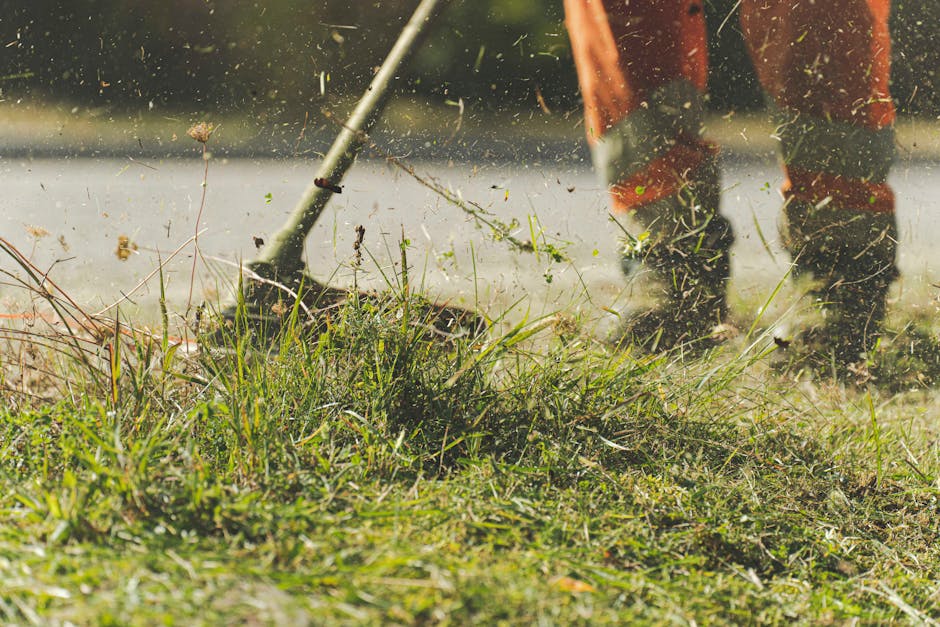
- cutting back overgrowth blocking access
- lifting branches, twigs, and storm-damaged material
- bagging or loading waste for responsible disposal
- tidying the area so it is usable again
If there are larger structural issues, the team may advise follow-up work rather than forcing everything into one visit. For example, heavy tree damage may need specialist attention through tree lopping and removal, while larger landscape changes may sit better with landscaping or landscape gardening. That kind of honest separation is a good sign, not a limitation.
Key Benefits and Practical Advantages
The biggest benefit is obvious: speed. But quick response is only one part of the value. Emergency clearance also reduces stress, lowers risk, and helps you get back control of a space that may have started to feel overwhelming.
Practical advantages often include:
- Immediate safety improvement - clearing trip hazards, low branches, and slippery debris
- Better access - making routes to sheds, gates, patios, or bins usable again
- Less stress - one big problem handled in one go instead of hanging over you for days
- Cleaner handover - useful before moving house, renting out a property, or welcoming visitors
- Protection of garden features - reducing the chance of hidden moisture damage, blocked drainage, or pressure on fences and borders
There is also a quiet but real emotional benefit. A messy garden can make a whole property feel neglected, even if the inside is spotless. Once the clutter goes, the space can feel bigger, lighter, and easier to care for. You notice the difference straight away, usually before the kettle has even boiled.
For people who want a more routine follow-up after an urgent clear-out, lawn mowing and hedge trimming can help keep the space under control so the same problem does not rush back in.
Expert takeaway: the best emergency clearance is not just fast; it is calm, safe, and methodical. If a team rushes without checking access, hazards, or disposal, the job may look quicker but often creates more mess later.
Who This Is For and When It Makes Sense
Emergency garden clearance is not only for extreme overgrowth. It suits a wide range of everyday situations where time matters and the garden needs attention sooner rather than later.
It may be the right choice if you are:
- dealing with storm damage or fallen debris
- preparing a property for sale or letting
- trying to regain access after a period of neglect
- clearing a garden after tenancy turnover
- managing an inherited property
- planning work before other trades arrive
- responding to an urgent neighbour or landlord issue
It also makes sense if you have tried to deal with the garden yourself and realised the job is bigger than expected. That happens more often than people admit. One look at a patch of waist-high growth and suddenly the secateurs feel a bit optimistic.
If the garden also includes hard surfaces, timber features, or a decked area that has gathered dirt and debris, it may be worth looking at related services such as decking services. Sometimes the "garden mess" is really a mix of plants, surfaces, and old materials all tangled together.
Step-by-Step Guidance
If you are arranging same-day clearance, a simple process keeps things smoother. The aim is speed, yes, but not at the expense of safety or good judgement.
- Describe the problem clearly. Say what has happened, where the access points are, and whether there are hazards such as broken glass, sharp metal, or unstable branches.
- Share the urgency. If you need the space cleared before evening, before a viewing, or before a delivery, say so at the start.
- Show what needs to stay. Point out plants, furniture, tools, ornaments, or compost you want preserved. That saves mistakes.
- Check access details. Narrow side gates, rear-only access, parking issues, and shared entries all matter.
- Ask what will be removed. A proper clearance should distinguish between waste, reusable materials, and anything that requires separate handling.
- Confirm disposal approach. Garden waste should be dealt with responsibly, with sorting or recycling where appropriate.
- Inspect the result before the team leaves. Not in a fussy way. Just walk the area and check that the most important hazards have gone.
One useful habit: take a few quick photos before the team arrives. Nothing elaborate, just enough to remember the starting point and explain any hidden areas. It can save a lot of back-and-forth, and it is oddly reassuring to see the before-and-after difference later.
If the space needs follow-up care after clearance, a service plan built around garden clearance and ongoing maintenance is usually more effective than waiting for the same issue to build up again.
Expert Tips for Better Results
The difference between a rushed tidy-up and a genuinely useful emergency clearance usually comes down to preparation and priorities. A few sensible habits make the whole thing smoother.
- Separate the "urgent" from the "nice to have". Start with access, safety, and anything that could cause damage.
- Be realistic about hidden work. What looks like one pile of leaves may hide broken pots, rotten timber, or clipped wire.
- Think in zones. Clear one area fully before moving to the next. It keeps the site usable as you go.
- Allow for weather. A damp garden can slow everything down. In the UK, that is hardly a surprise.
- Plan the aftercare. A cleared garden can look impressive for a day and then decline quickly if no follow-up happens.
One small but important tip: tell the team if there are any fragile surfaces, recent repairs, buried cables, or areas you do not want disturbed. Even experienced gardeners appreciate a heads-up. Saves the awkward moments.
For long-term neatness, it helps to combine emergency clearance with routine cuts and shaping. That might mean regular lawn mowing or trimming back hedges before they take over the border again. A little prevention goes a long way.
Common Mistakes to Avoid
Emergency jobs can go wrong in predictable ways. Usually not dramatic, just frustrating. The good news is that most mistakes are avoidable.
- Waiting until access is almost blocked. The longer you leave it, the harder it becomes to work efficiently.
- Underestimating waste volume. Garden waste expands fast once cut and stacked. What looks like a small pile is often not.
- Mixing waste types without thinking. Soil, timber, green waste, and general rubbish may need different handling.
- Forgetting about sharp or hidden hazards. Broken edging, wire, nails, and glass can lurk under foliage.
- Choosing speed over competence. Same-day should still mean careful, tidy, and safe.
- Not planning follow-up maintenance. An emergency clear without a maintenance plan often leads to repeat mess.
Another easy trap is trying to do everything yourself in one burst. Plenty of people start with good intentions and then hit the point where the wheelbarrow is full, the bin is full, and the branch is somehow bigger than the gate. Funny in hindsight. Less funny at the time.
Tools, Resources and Recommendations
Good emergency clearance relies on the right mix of tools and judgement. You do not need a van full of shiny kit, but you do need the basics to be fit for purpose.
Common tools and equipment may include:
- loppers and secateurs for light cutting
- hedge trimmers for shaped growth
- heavy-duty gloves
- rakes and forks for gathering debris
- tarpaulins or sacks for collection
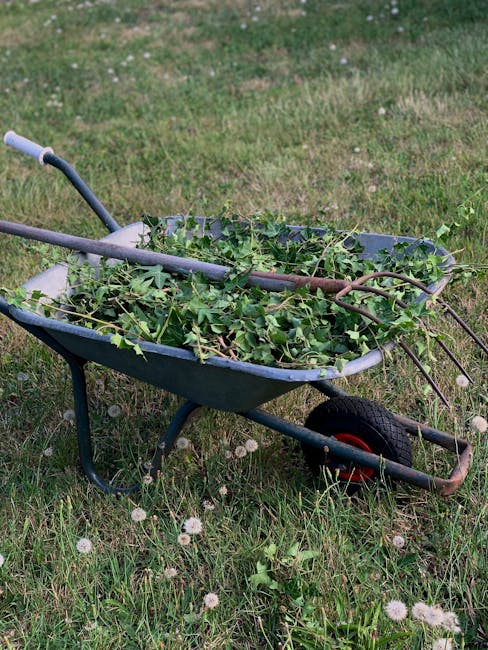
- wheelbarrows or loading equipment
- basic protective gear for safe handling
Depending on the situation, the team may also use pruning tools for branches, brush clearance equipment, and vehicles suited to waste transport. The important thing is not the brand of tool; it is whether the job is matched to the problem.
For homeowners who want to improve the broader look of the garden after the urgent work is done, services like landscape gardening can help reshape awkward spaces, while landscaping may be better if there are structural or layout changes to consider.
If you are comparing providers, it is sensible to review their wider service range via services overview and understand how emergency clearance fits into the bigger picture.
Law, Compliance, Standards, or Best Practice
Garden clearance sounds simple, but best practice matters. In the UK, anyone carrying waste should handle it responsibly and avoid dumping or mixing materials in ways that create unnecessary risk. You do not need to become an expert in regulations to choose a careful provider, but you should expect clean, safe working methods and sensible disposal habits.
Some points are worth keeping in mind:
- Safety first: clearing sharp, unstable, or heavy debris should be done carefully.
- Waste handling: garden waste should be sorted and removed in a way that avoids fly-tipping or careless disposal.
- Property boundaries: work near fences, shared paths, or neighbours' gardens should be managed with respect.
- Insurance and protection: it is sensible to use a provider that takes safety and liability seriously.
If you are checking trust signals, a provider's pages on insurance and safety, health and safety policy, and recycling and sustainability can be useful indicators of how they think about the work. That does not guarantee perfection, of course, but it tells you a lot about standards and attitude.
For broader company information, about us is also worth a look if you want to understand who you are dealing with before booking.
Options, Methods, or Comparison Table
Not every situation needs the same approach. A quick comparison can help you decide whether you need emergency clearance, a routine tidy-up, or a more substantial garden project.
| Approach | Best for | What it includes | Typical outcome |
|---|---|---|---|
| Emergency same-day clearance | Urgent hazards, blocked access, storm debris, time-sensitive situations | Rapid removal of waste, basic cutting back, safe tidying | Garden becomes usable again quickly |
| Routine garden maintenance | Regular upkeep, preventing overgrowth, keeping the space tidy | Mowing, trimming, light weeding, seasonal care | Garden stays controlled with less drama later |
| Landscape work | Layout changes, tired-looking spaces, long-term improvements | Reshaping beds, paths, hard features, planting plans | Garden feels more functional and finished |
| Tree-specific work | Large branches, unsafe trees, heavy limb removal | Specialist pruning or removal | Risk is reduced and access is restored |
The table is simple, but it helps. If your main issue is safety or access, emergency clearance is the right first move. If the garden simply needs a reset after months of neglect, a combination of clearance and follow-up maintenance is usually smarter. And if the root problem is poor layout, then you may be looking beyond cleanup altogether.
Case Study or Real-World Example
A typical Osterley scenario might look like this. A back garden has accumulated wind-blown branches, old plant pots, cuttings from previous DIY pruning, and a narrow path that has almost disappeared under growth. The owner needs the area cleared quickly because family is visiting the next day and the rear access is becoming awkward.
The job starts with the obvious hazards: loose branches, slippery material, and a blocked walkway. The team clears the access route first, then removes the bulk waste, then checks the borders for anything that should stay. A hedge is lightly shaped back to stop it brushing the path, and the remaining waste is loaded for responsible removal. By the end, the garden is not "finished" in the decorative sense, but it is clean, usable, and no longer stressful to look at. That is the point.
What mattered most was not a dramatic transformation. It was regaining control, quickly, without creating damage or making promises that the space was more complete than it really was. That kind of honesty goes a long way.
Practical Checklist
Use this before booking or on the morning of the visit. It keeps things straightforward.
- Identify the urgent issue clearly
- Take a quick look for hidden hazards
- Decide what must stay in the garden
- Confirm access points and parking details
- Check whether branches, hedges, or trees need separate attention
- Ask how waste will be removed or sorted
- Make sure pets and children stay clear during the work
- Keep fragile items and valuables out of the work area
- Review the cleared area before the team leaves
- Plan the next maintenance step so the problem does not come back fast
If you are already at the point where the garden feels out of hand, do not overthink the first step. Get the urgent part dealt with, then improve from there. Most good garden recoveries happen in stages anyway.
Conclusion
Emergency garden clearance Osterley same day gardeners is about more than speed. It is about restoring safety, access, and peace of mind when outdoor mess cannot wait. Whether the issue is storm damage, overgrowth, waste build-up, or a garden that has simply got away from you, the right response is calm, practical, and well organised.
The best results come from clear communication, sensible priorities, and a team that treats the job with care rather than just haste. Once the clutter is gone, the space often feels different immediately. Quieter. Lighter. Easier to live with. And that, honestly, is a pretty good outcome for a single day's work.
For anyone ready to move from "I should really deal with this" to "right, let's get it sorted," now is the sensible moment to take action.
Get a free quote today and see how much you can save.
If you would like to speak with a local team, contact us to discuss the clearance you need and the best way to handle it without fuss.
Frequently Asked Questions
What counts as an emergency garden clearance?
An emergency clearance is usually any situation where the garden needs urgent attention because of safety, access, damage, or time pressure. That could mean fallen branches, blocked paths, messy storm debris, or a property that needs to be made presentable quickly.
Can same-day gardeners really come out on the same day?
Often, yes, if capacity and location line up. Same-day work depends on schedule, travel, the size of the job, and how quickly the issue can be described. The sooner you call, the better your chances.
What should I tell the gardener before they arrive?
Explain what the problem is, where the access points are, any hazards to watch for, and what you want to keep. A few good details at the start save time and avoid mistakes.
Do I need to clear the garden myself before the visit?
No. If it is an emergency, that is the point of calling for help. You can make access easier by unlocking gates and moving personal items, but do not put yourself at risk trying to tidy hazardous areas first.
Will all the waste be removed?
That depends on the job agreed. In most cases, the aim is to remove the relevant garden waste and leave the area tidy and usable. If there are different waste types or specialist materials, those may need separate handling.
Is emergency clearance the same as regular garden maintenance?
Not really. Maintenance is about keeping on top of the garden before it becomes a problem. Emergency clearance is about dealing with an urgent issue fast, usually because the space has become unsafe, blocked, or unmanageable.
What if there are large branches or a damaged tree?
Large branches or unsafe trees may need specialist attention rather than general clearance alone. In those cases, it is sensible to ask whether tree lopping and removal is the more suitable option.
How do I know if the job needs landscaping afterwards?
If the garden still feels awkward after the waste is gone - for example, if the layout is poor, paths are broken, or beds need reshaping - then the issue may be more than clearance. That is when landscaping can help improve the long-term result.
Are there safety or insurance points I should ask about?
Yes. It is sensible to ask how the work will be carried out safely and how waste will be handled. Pages like insurance and safety and health and safety policy can also help you understand the company's approach.
What is the best next step after an urgent clearance?
The best next step is usually light follow-up care, such as mowing, hedge trimming, or a maintenance plan. That keeps the garden from drifting back into the same state two weeks later. A cleared garden is much easier to maintain than a neglected one.
Can emergency clearance help before a house sale or rental check-in?
Absolutely. If a garden is untidy or blocked, it can affect first impressions and make the property harder to manage. A fast clearance can make the space feel orderly again without waiting for a larger project.
Should I choose the cheapest same-day option?
Not automatically. Fast work still needs to be safe, careful, and properly organised. The cheapest option is not always the best if it leaves behind hazards or poor disposal. A balanced service is usually the better call.